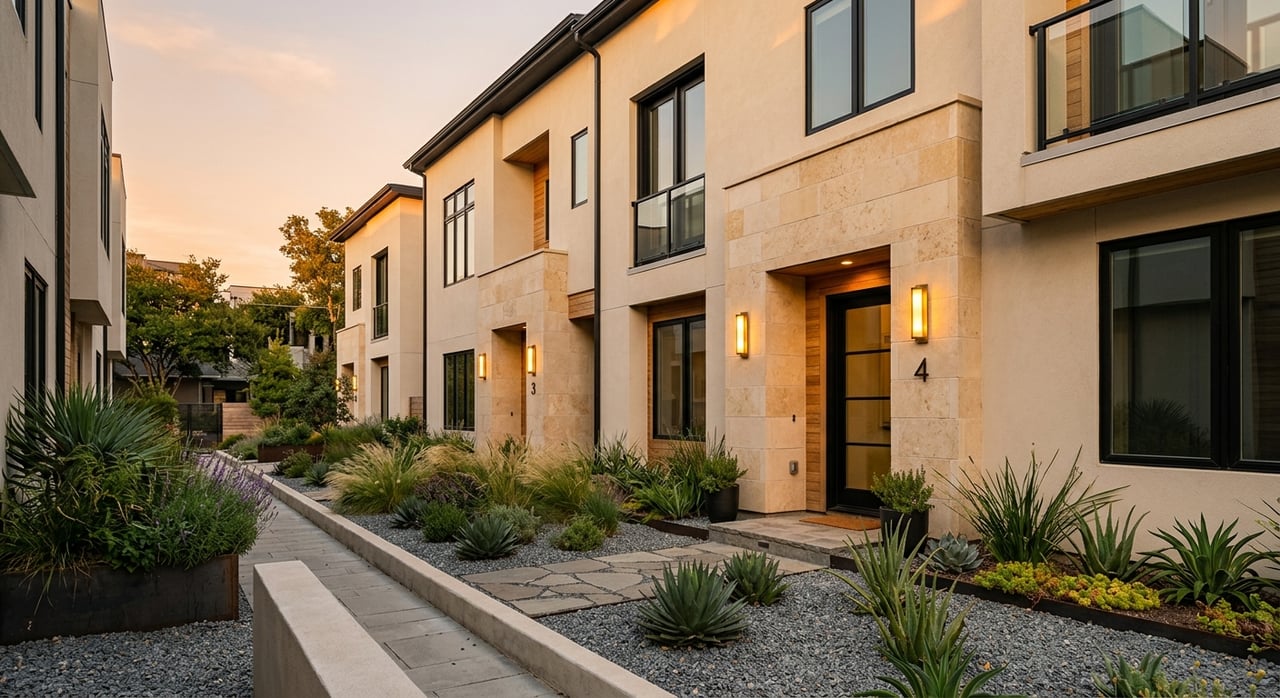
Thinking about buying new construction in Douglas County? You are not looking at one simple category of homes. You are choosing among different community types, builders, approval processes, and ownership structures, all of which can affect your budget, timeline, and long-term costs. If you want to compare your options with more confidence, this guide will help you understand what really shapes the new-construction experience in Douglas County. Let’s dive in.
New construction in Douglas County is not one-size-fits-all
Douglas County offers a wide range of new-construction options, from attached townhomes to large single-family homes and custom builds. What is available often depends on the specific community, the lot, and which local authority governs the property.
That matters because a home in unincorporated Douglas County may follow a different path than a home in Castle Rock, Parker, Lone Tree, or Highlands Ranch. In practical terms, your permit process, site requirements, and even development oversight can vary a lot from one location to another.
Common new-construction options you may see
Many buyers picture new construction as a builder subdivision with a few floor plans. In Douglas County, the reality is broader.
You may find options such as:
- Master-planned communities with multiple builders and home styles
- Townhomes and paired homes designed for lower-maintenance living
- Single-family detached homes in production or semi-custom communities
- Custom homes on individual lots, especially in areas with unique site conditions
For example, Sterling Ranch in unincorporated northwest Douglas County includes townhomes, paired homes, two- and three-story single-family homes, and custom-designed homes. In Castle Rock, communities like Macanta and The Canyons show how new construction can range from attached and paired product to larger detached homes with broader community planning behind them.
Why jurisdiction matters before you choose a home
One of the most important questions you can ask is simple: Who governs the lot? That answer can shape everything from application steps to inspections and final approvals.
In unincorporated Douglas County, Planning Services oversees land-use applications, and the County’s building process includes its own documentation and review requirements. Incorporated municipalities like Castle Rock, Parker, and Lone Tree run their own systems and timelines.
Unincorporated Douglas County requirements
If you are building a single-family home in unincorporated Douglas County, a typical submittal may require construction documents, engineered foundation plans, a soil report, a DESC submittal, proof of water and sewage availability, proof of ownership, and a driveway permit. If applicable, HOA or architectural committee approval may also be required.
The County notes that retaining walls and slope-stabilization work can require separate permits and engineered plans. It also states that no excavation can begin before final permit approval.
A complete custom-home permit package is currently targeted for processing in about 2½ to 3 weeks, but missing documents can delay review. There is no expedited path, so preparation matters.
Municipal timelines and extra steps
If your home is inside a town or city, local rules can add another layer. Castle Rock requires an approved vertical residential TESC plan before residential building permits are released, and custom homes have added stormwater submittal requirements.
Parker uses an online permit system with a 3 to 5 day completeness review, a 2 to 4 week first plan review, and generally a 2 week re-review. Lone Tree accepts building permit applications electronically and routes land-use and development applications through its own system.
In Highlands Ranch, approval may involve both the Highlands Ranch Metro District and Douglas County. Metro District approval is required before Douglas County issues building permits or Certificates of Occupancy.
Site conditions can affect price and timing
The floor plan is only part of the story. In Douglas County, site-specific conditions can have a big impact on how quickly a project moves and what it ultimately costs.
This is especially true for custom homes or homes on lots with grading, drainage, or access challenges. Even within the same area, one lot may be much simpler to build on than another.
Conditions worth asking about early
Before you move forward, ask whether the lot has any of these issues:
- Retaining walls or slope stabilization needs
- Drainage or erosion-control requirements
- Driveway access constraints
- Well and septic requirements instead of public utilities
- Additional wildfire-mitigation review tied to access
For lots not served by public water, Douglas County requires well permits and proof of adequate water supply. The County describes a completed well test showing at least 1 gallon per minute as part of that proof. Septic systems also require County Health Department permitting.
The County’s DESC rules apply to single-family detached residential construction, and a DESC permit is required before grading starts in unincorporated Douglas County. If you are comparing a straightforward production home to a custom lot, these details can explain why timelines and costs may differ more than you expect.
Builder contracts deserve close review
New construction contracts often feel more standardized than resale contracts, but they still deserve careful attention. A polished sales center and a model home can make the process feel simple, yet the contract terms are where your risk and flexibility really live.
Colorado’s Division of Real Estate notes that a sales contract is a legally binding document with multiple deadlines. It also says a home inspection is still recommended, along with added inspections such as sewer scopes or structural engineering when appropriate.
Questions to ask about deposits and contingencies
The Consumer Financial Protection Bureau recommends making a purchase offer or sales contract contingent on financing and a satisfactory inspection. For new construction, builders may ask for an upfront deposit or earnest money, so you should ask exactly when that money is refundable and under what conditions.
It is also important to remember that you do not have to use the builder’s preferred lender. That can give you more room to compare financing options and understand the true cost of any builder incentive.
Ask direct questions such as:
- What happens if financing changes before closing?
- Which contingencies are included in the contract?
- How are delays handled?
- Who holds the earnest money?
- What deadlines could affect your deposit?
Warranty coverage should be specific, not assumed
Many buyers assume a new home comes with broad protection. In reality, warranty coverage varies by builder and by component, so it is smart to review the details instead of relying on general expectations.
The FTC notes that many newly built homes include a builder warranty, but coverage is limited and not uniform. A common pattern is 1 year for workmanship and materials on most items, 2 years for systems like HVAC, plumbing, and electrical, and sometimes 10 years for major structural defects.
What to clarify in writing
Before you sign, ask for clear answers on:
- What is covered and for how long
- What is excluded, including cosmetic items or appliances
- How warranty claims are submitted
- Whether disputes go through mediation or arbitration
- Whether any third-party warranty is included
This is one area where details matter. Two homes that look similar on paper may come with very different post-closing support.
HOA and metro district review is part of due diligence
In Douglas County, community governance can affect your monthly costs and future flexibility just as much as the home itself. That is why HOA and metro district review should be part of your decision from the start.
Colorado’s HOA Center advises buyers to review the CC&Rs, understand assessment rules, and ask about possible special assessments, litigation, or deferred maintenance. Buyers can obtain CC&Rs from the county Clerk and Recorder even before going under contract.
Why metro districts matter in new communities
Many newer communities in Douglas County use special districts, including metropolitan districts, to finance infrastructure. According to Colorado’s Division of Local Government, metropolitan districts are local governments that can provide services such as streets, parks and recreation, sanitation, transportation, and water.
They can also tax property owners to repay infrastructure bonds. For you, that means it is worth asking whether a property is in a metro district and what taxes, fees, or bond obligations come with ownership.
How to compare new construction with resale
New construction can offer modern layouts, fresh finishes, and the chance to personalize certain features. At the same time, resale homes may offer more mature landscaping, a known operating history, and fewer unknowns around completion timelines or community build-out.
The right fit depends on what you value most. If you are deciding between new construction and resale in Douglas County, focus on the whole ownership picture, not just the finishes.
A smart comparison checklist
As you compare options, ask:
- Which jurisdiction controls the property?
- What approvals or permits affect timing?
- Is the home in an HOA?
- Is there a metro district?
- Are there lot-specific issues that could affect cost?
- What deposit terms and contingencies apply?
- What does the warranty actually cover?
When you view the decision through that lens, it becomes easier to spot which home is truly the better fit for your goals, timeline, and comfort level.
If you are weighing new construction in Douglas County, a clear strategy can save you time, reduce surprises, and help you ask better questions before you commit. For tailored guidance on communities, contracts, and how a new-build purchase compares with resale options, connect with Downing Street Group.
FAQs
What types of new construction are available in Douglas County?
- Douglas County includes townhomes, paired homes, detached single-family homes, master-planned community product, and custom homes, depending on the community and lot.
Why does jurisdiction matter for a new home in Douglas County?
- The permit process, review timeline, required documents, and oversight can differ depending on whether the property is in unincorporated Douglas County, Castle Rock, Parker, Lone Tree, or another local authority area.
What permits are commonly required for new construction in unincorporated Douglas County?
- A typical single-family submittal may include construction documents, engineered foundation plans, a soil report, a DESC submittal, proof of water and sewage availability, proof of ownership, and a driveway permit, with HOA or ACC approval required when applicable.
What should buyers ask about builder deposits in Douglas County new construction?
- You should ask when the deposit is refundable, what contingencies are included, how financing changes are handled, and what deadlines could affect your earnest money.
How do metro districts affect new homes in Douglas County?
- Metro districts can provide services and finance infrastructure through taxes or bond-related obligations, so buyers should ask what costs and responsibilities are tied to the property.
Should you still get an inspection on a newly built home in Douglas County?
- Yes. Colorado’s Division of Real Estate says a home inspection is still recommended, and in some cases added inspections like sewer scopes or structural engineering may be appropriate.
