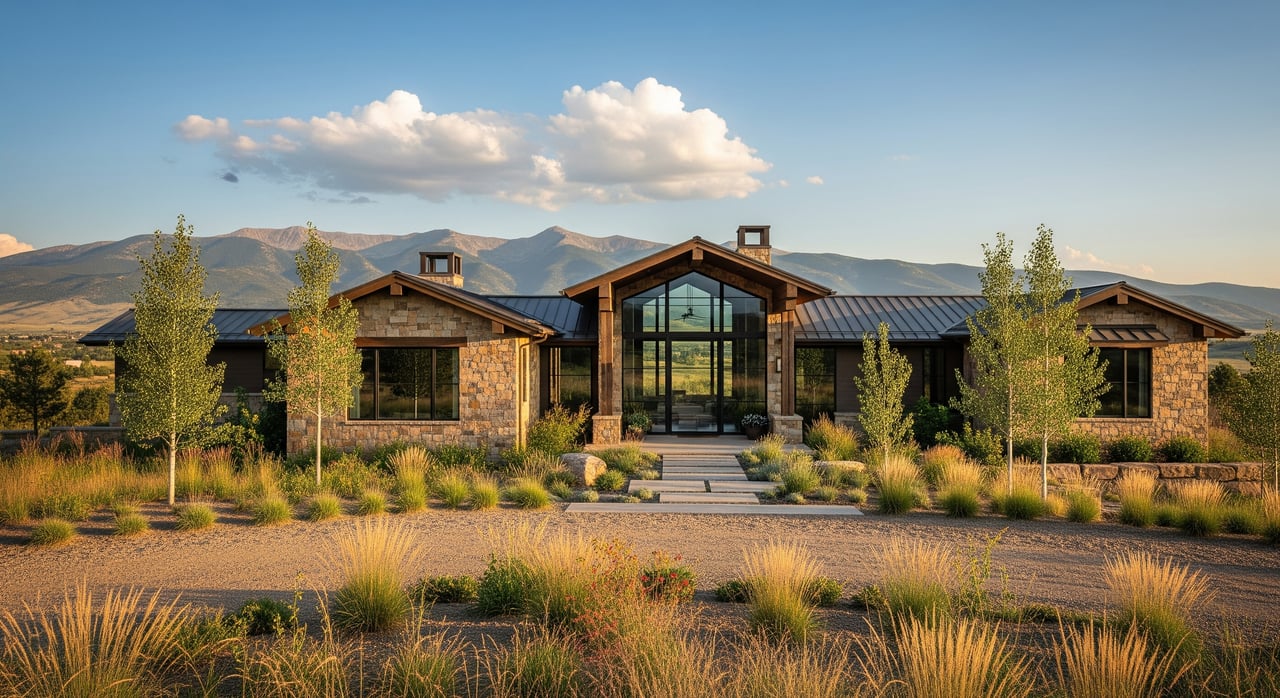
Thinking about a move to Douglas County, Colorado? You are not alone. Professionals and families choose this area for its open space, trail networks, and access to Denver job centers. If you want a clear picture of neighborhoods, commutes, costs, and what to expect, this guide is for you. Let’s dive in.
Why Douglas County
Douglas County blends master-planned suburbs, small-town charm, and rural space. You will find modern amenities, strong community programming, and easy access to parks and trails. Most residents drive to work, and highways connect you to Denver, the Denver Tech Center, and the wider metro.
You will also see homeowners associations and metropolitan districts more often than in some markets. These groups help fund amenities and infrastructure, which can affect your monthly cost of ownership. Knowing how they work helps you plan with confidence.
Neighborhood snapshots
Highlands Ranch
Highlands Ranch is a large master-planned community with trails, community centers, pools, parks, and many subdivisions. You will find a mix of home sizes and styles, plus organized association structures.
- Buyer considerations: Multiple associations and metro districts with community fees. School assignment varies by address, so verify with the district and the local school.
Castle Pines
Castle Pines includes newer construction, hilltop views, and several gated areas. Expect a quiet suburban feel and, in some spots, larger lots.
- Buyer considerations: HOAs often govern private roads and amenities. Metro district bonds can influence property taxes and special assessments.
Parker
Parker offers a small-town downtown, family-friendly neighborhoods, and equestrian trails in certain areas. Retail and services continue to grow.
- Buyer considerations: Mix of historic homes and newer subdivisions. School assignments and water or sewer providers can vary by subdivision.
Castle Rock
Castle Rock is the county seat with varied housing, from older ranch homes to new subdivisions. It sits on I‑25 for convenient north and south commutes.
- Buyer considerations: Many new developments use metro districts to fund infrastructure. Proximity to regional retail can affect traffic and timing.
Franktown, Elizabeth, and Sedalia
These areas feel rural with larger lots and room for hobbies or equestrian uses. The pace is quieter and more open.
- Buyer considerations: Some homes rely on wells and septic systems, and water rights can differ. Response times may be longer in some locations.
Commute and transportation
I‑25 is the main north-south spine. C‑470 and E‑470 connect you to other parts of the metro, and CO‑83 and US‑85 help with local access. Most people commute by car. Transit exists in select areas through regional buses and park‑and‑ride lots, but light rail access is more limited than in nearby counties.
- Practical tips:
- Drive your likely routes at your normal commute times to check traffic patterns.
- Consider shifting your schedule to avoid peak hours when possible.
- Ask your agent for drive-time samples to work, schools, the airport, and daily needs.
Outdoor life and recreation
Outdoor access is a standout feature. Douglas County manages extensive open space and trail systems. You can explore nearby state parks like Roxborough and Castlewood Canyon, both known for hiking and striking scenery.
Master-planned areas often include community parks, pools, golf, and neighborhood playgrounds. Many families choose the county for the trail networks and youth programming. If you prefer a rural lifestyle, you will also find equestrian options and acreage living.
Wildfire awareness matters here, especially in wildland‑urban interface areas. Review defensible-space guidance and plan for insurance needs when you tour homes close to open space or foothills.
Metro districts, HOAs, and costs
Metro districts are local government units that finance infrastructure and amenities through bonds and ongoing taxes or fees. HOAs manage covenants and shared amenities and collect dues. Both can affect monthly affordability.
- What to review:
- Current mill levies, debt service schedules, and any operations and maintenance fees tied to metro districts.
- HOA budgets, reserve studies, CCRs, and recent board meeting minutes.
- Pending special assessments or proposed bond issues.
- Services funded, such as parks, pools, private roads, or trash collection.
Doing this homework helps you compare neighborhoods on a true cost basis, not just list price and base property taxes.
Buying from out of state: timeline
Moving across state lines takes planning. Here is a practical framework you can follow.
8–12+ weeks out
- Research neighborhoods with virtual tours and recorded drives. Identify school targets and get pre-approved with a lender who knows Colorado.
- Engage a local agent experienced with relocation. Request commute samples and amenity maps.
4–8 weeks out
- Start the offer process. Begin inspections and review title, HOA, and metro district disclosures.
- Line up temporary housing if needed and coordinate school transfer and caregiver plans.
2–4 weeks out
- Set up utilities, confirm school enrollment windows, schedule movers, and secure homeowners insurance. Ask about wildfire endorsements where relevant.
Closing week
- Conduct a final walk‑through in person or virtually. Confirm keys, codes, and utility transfers.
First 30–60 days after move
- Update your driver’s license and vehicle registration per Colorado timelines. Attend HOA orientations and set up solid waste and recycling.
Relocation checklist
Use this list to move faster and avoid surprises.
- Confirm the exact school assignment for the property address.
- Request HOA budgets, CCRs, meeting minutes, and any pending assessments.
- Review metro district mill levies, debt schedules, and fee structures.
- Verify recurring costs for property taxes, metro district taxes, HOA dues, and utilities.
- Ask for recent inspection reports and wildfire or pest disclosures.
- Request peak-hour drive times to work, childcare, grocery, and hospital.
- Confirm municipal water or sewer versus well and septic. Get recent tests if applicable.
- Check insurance availability and wildfire coverage terms and pricing.
- Identify nearby transit or park‑and‑ride options if you plan to use regional bus service.
Risks to review before you buy
- Wildfire risk: Check local maps and defensible-space standards. Ask sellers about mitigation work and evacuation routes.
- Flood and drainage: Review FEMA maps and local drainage reports for low‑lying or canyon areas.
- Water sources: For rural lots with wells, verify permitted uses and water quantity and quality. Ask about irrigation ditches and water rights on older parcels.
- Use restrictions: Read CCRs for rules on exterior changes, parking, and short‑term rentals.
Virtual tours and concierge support
If you are shopping remotely, you can cover a lot of ground from your laptop. High-quality virtual tours, narrated video walk‑throughs, and live remote showings help you evaluate properties clearly. Neighborhood orientation drives, amenity maps, and school contact information make it easier to decide from afar.
- Questions to ask your relocation team:
- Which virtual tour formats are available and how quickly can we schedule live walk‑throughs?
- Can you record neighborhood drives during rush hour and off‑peak times?
- What does your relocation concierge include and are there any extra fees?
- Can you coordinate introductions with assigned schools and provide enrollment timelines?
- How do you handle remote closings, e‑signatures, and notary requirements?
- Will you supply a full cost breakdown, including metro district taxes and HOA dues?
- Can you share references from recent out‑of‑state clients?
Get local guidance you can trust
Relocating to Douglas County is easier when you have a clear plan and a local advisor who understands the nuances of metro districts, commute patterns, outdoor living, and rural considerations. You deserve a process that feels organized, transparent, and supportive.
If you want neighborhood comparisons, verified cost breakdowns, and a smooth remote or in‑person search, the team at Downing Street Group is ready to help. Start a conversation and let’s design a move plan that fits your goals.
FAQs
What should I know about commuting in Douglas County?
- Most residents drive, with I‑25, C‑470, and E‑470 as key corridors, so test routes at your commute time and consider park‑and‑ride options where available.
How do metro districts and HOAs affect my budget?
- They add taxes or dues to support infrastructure and amenities, so review mill levies, bond schedules, HOA budgets, CCRs, and any pending assessments.
How do I verify school assignments before buying?
- Confirm the assigned school with the district and the local school for the exact property address before you make an offer.
Is wildfire risk a factor in Douglas County home buying?
- Yes, many neighborhoods are near wildland‑urban interfaces, so review mitigation steps, insurance availability, and evacuation planning.
How long does an out‑of‑state purchase usually take?
- Many buyers plan 8 to 12 weeks from early research through closing, with inspections and disclosures reviewed midway and utilities and insurance set up near closing.
