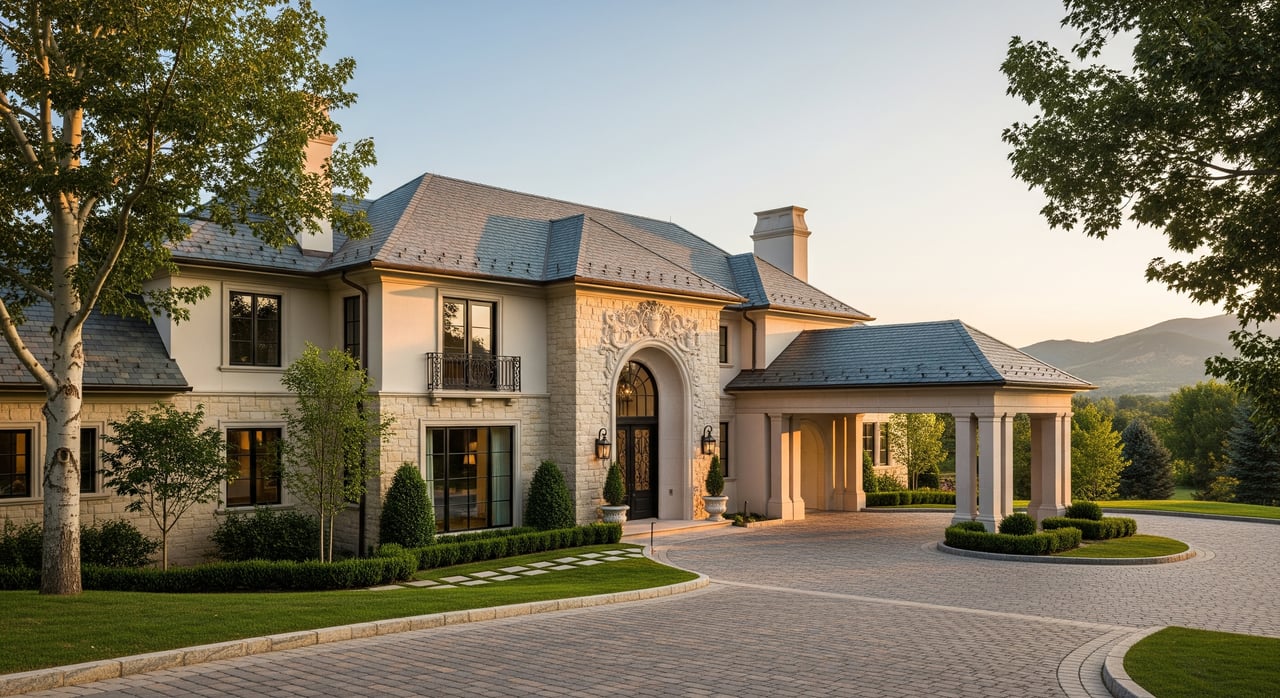
Pricing a luxury home in Cherry Hills Village is not a quick CMA exercise. Your estate’s value lives in its land, provenance, privacy, and a buyer pool that is small and discerning. If you want strong proceeds without a long time on market, you need a strategy built for ultra-luxury. In this guide, you’ll learn what actually moves value here, how to set a confident price range when comps are thin, and how pre-market testing and Private Office exposure can protect your price. Let’s dive in.
Why Cherry Hills pricing is different
Cherry Hills Village has thin, episodic inventory at the top price bands. That means there are fewer direct sales to benchmark and a smaller pool of qualified buyers, so first placement matters. Extended time on market can harm perceived rarity and leverage.
Seasonality and macro conditions also affect results. In tighter demand windows, you may see fewer qualified buyers at multi-million-dollar levels. This is why timing and early pricing discipline are essential.
What drives value at the estate level
Lot and site
For estates, the land often carries as much value as the house. Usable acreage, topography, mountain or skyline views, orientation, and mature landscaping all matter. Estate infrastructure like gated entries, long drives, guesthouses, pools, or equestrian facilities can shift price meaningfully.
Architecture and provenance
Named architects or builders, coherent design, and rare materials often command scarcity premiums. Structural quality, ceiling heights, and engineering for large spans influence perceived caliber. Provenance is valued for uniqueness rather than simple cost recoupment.
Renovations and systems
High-quality, recent renovations that align with buyer taste support higher prices. Buyers scrutinize mechanical life cycles for roofs, HVAC, pools, and septic. Well-documented improvements lower the chance of discounting during negotiations.
Privacy and security
Setbacks, mature trees, topography, and gated controls can be as important as finishes. Discrete service access and ample parking for staff and guests appeal to specific buyer profiles. Privacy often drives willingness to pay.
Amenities and lifestyle
Pools, theaters, gyms, wine cellars, sports courts, and guesthouses broaden appeal. Proximity to country clubs and private services can matter to the buyer pool. Maintenance demands on large sites affect ongoing operating costs and buyer comfort.
Micro-location nuance
Submarkets within Cherry Hills Village perform differently. Larger acreage areas trade differently than smaller estate pockets, and newer enclaves differ from historic estates. Expect price per square foot to vary across these micro-markets.
Building the right comp set
Expand the radius thoughtfully
When recent local sales are scarce, include comparable estates in adjacent high-end areas. Apply careful adjustments for micro-location, site, and privacy differences. Older sales can be valid if you time-adjust for market movement.
Adjust for attributes that matter
Use an attribute matrix to compare acreage, view, guesthouses, pools, parking, and staff accommodations. For large parcels, allocate value per acre and separate land from improvements. Document amenity premiums with paired sales or credible proxies.
Use models as a check, not a crutch
Hedonic or regression analyses can test price sensitivity to acreage, size, and age across a broader dataset. Treat price per square foot as a directional check because land, ceiling heights, and finish caliber distort simple PSF math. Anchor your valuation in the actual features that define the estate.
Set a pricing range, not a point
Create a conservative, market, and aspirational pricing band with clear assumptions. Note which features justify each step up, such as unobstructed views or a newly built guesthouse. Psychological thresholds around round numbers can influence perception, but ultra-luxury buyers prioritize fit and uniqueness over small step-downs.
Pre-market testing and Private Office
Controlled exposure, better feedback
Invite-only showings to qualified buyers, wealth advisors, and top brokers can surface early interest. This Private Office approach protects privacy and helps you refine price and positioning before going public. It reduces non-qualified showings and focuses messaging.
What to measure
Track buyer introductions, NDAs signed, private tours, and offer quality from pre-market activity. Note questions that repeat, such as mechanical ages or zoning flexibility. Use the data to fine-tune pricing and materials.
When to go public
If early interest shows clear alignment, a public launch can build broader awareness. If feedback points to a gap, adjust privately first. Minimizing visible price reductions helps protect your negotiating position and days on market.
Timing and launch strategy
A strong launch window increases the chance of meeting the right buyer quickly. Consider seasonality and broader market tone when scheduling photography, content release, and showings. Set clear metrics for when to shift strategy, such as a defined number of qualified tours or offers within specific time frames.
Documentation that defends price
Collect permits, architectural plans, invoices, warranties, and maintenance logs. Provide clear records of capital improvements, utility details, and any special districts. For complex estates, pre-inspections for roof, mechanical, and structural items can reduce buyer discounts and delays.
A practical workflow
Use this checklist to structure pricing and launch:
- Verify site facts: acreage, easements, setbacks, utilities, and development potential.
- Assemble provenance: architect or builder credentials, landscape plans, materials, warranties, and service records.
- Build the comp set: recent sales in Cherry Hills Village plus carefully adjusted nearby estates, plus active competition.
- Model value: scenario pricing with sensitivity checks for acreage, view, and unique amenities.
- Plan pre-market: Private Office outreach, invite-only showings, and a feedback loop with NDA where needed.
- Launch public strategy: decide MLS timing, content cadence, and thresholds for adjusting approach.
- Prepare to transact: disclosures, title items, surveys, and a plan for art, vehicles, or outbuildings in closing logistics.
How Downing Street Group helps
You get discreet, high-touch advisory with a Private Office offering, backed by data-informed pricing and polished presentation. We tailor comp selection and adjustments to your estate’s attributes, test price privately when appropriate, and plan a launch that protects your leverage. Our team coordinates pre-inspections, records, and closing details so you move from first showing to signed contract with confidence.
Ready to talk strategy for your Cherry Hills Village estate? Connect with the Downing Street Group to Request a private consultation.
FAQs
How is pricing a Cherry Hills Village estate different from a standard home?
- Ultra-luxury pricing relies on land value, provenance, privacy, and unique amenities, with fewer direct comps and a smaller qualified buyer pool, so first-price placement is critical.
Which features add the most value in Cherry Hills Village luxury homes?
- Usable acreage, unobstructed views, architectural pedigree, recent high-quality renovations, privacy and security features, and amenities like guesthouses, pools, or equestrian facilities tend to move value.
How do you price with few comparable sales available?
- Expand the search radius judiciously, include older sales with time adjustments, allocate land value per acre, and use regression or sensitivity checks to validate a conservative-to-aspirational price range.
What is a Private Office sale and when should I use it?
- It is a curated, invitation-only channel to qualified buyers and advisors; use it to test price, protect privacy, and refine positioning before or alongside a public launch.
Should I rely on price per square foot for an estate?
- Use PSF as a directional check only, since land, ceiling heights, finish caliber, and site features make PSF an unreliable driver at the ultra-luxury level.
How long does due diligence take for a large estate?
- Expect longer timelines due to site surveys, mechanical reviews, title items, and potential environmental or easement research compared with standard homes.
What documents should I compile before listing a luxury property?
- Gather permits, plans, invoices, warranties, maintenance logs, utility details, and records of capital improvements to reduce buyer discounting and speed negotiations.
When is the best time to list a luxury home in Cherry Hills Village?
- Align with favorable local seasonality and broader demand conditions; a strong launch window and early pricing discipline help you capture the right buyer quickly.
