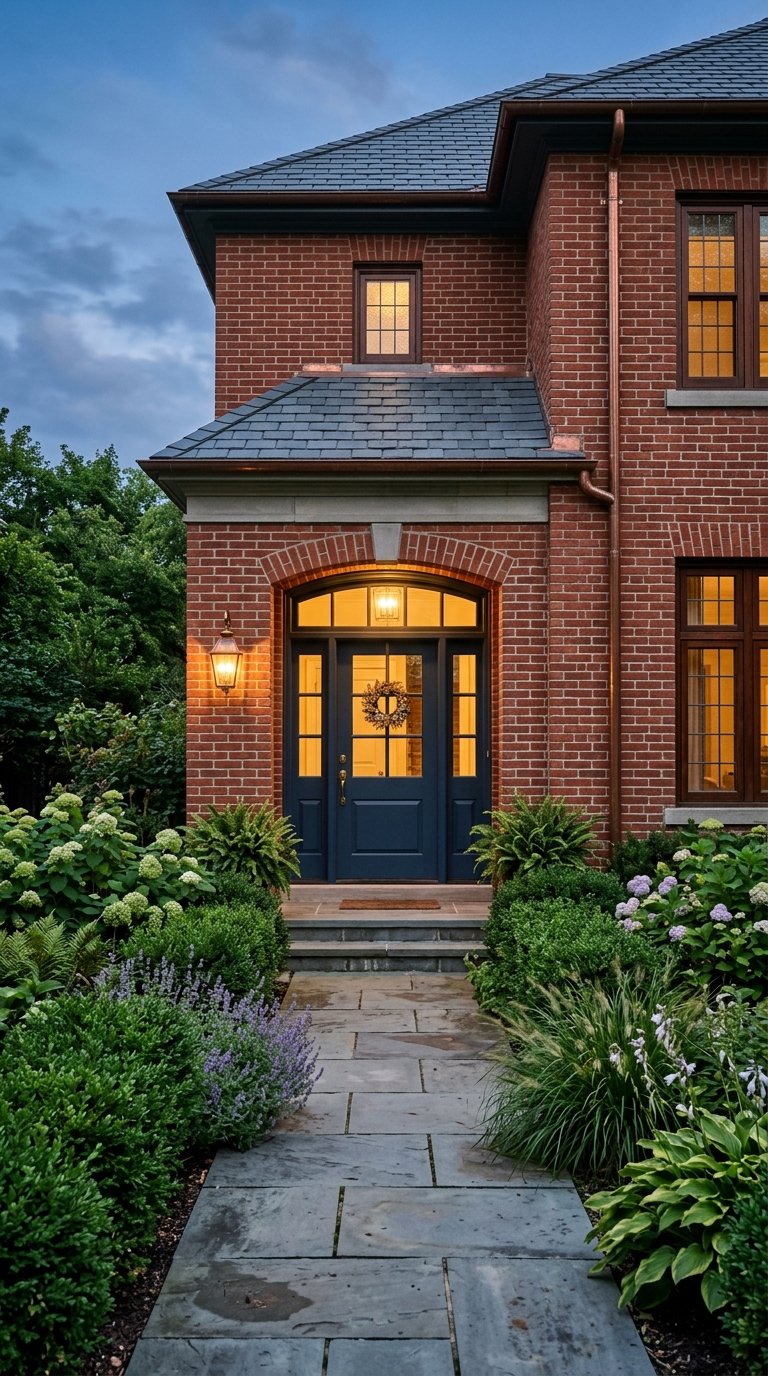
If you are thinking about buying a historic home in Denver’s Country Club, you are probably drawn to something newer homes cannot easily match: character, craftsmanship, and a strong sense of place. At the same time, historic-home ownership comes with extra questions about inspections, renovations, and city review. This guide will help you understand what makes Country Club special, what to look for before you buy, and how to plan with confidence. Let’s dive in.
Why Country Club Stands Out
Denver’s Country Club Historic District is one of the city’s most notable early 20th-century neighborhoods. The district was designated in 1990, and the City and County of Denver identifies its period of significance as 1902 to 1945. Denver Public Library also notes the presence of the 1902 Denver Country Club and its park-like golf course along Cherry Creek as part of the district.
For you as a buyer, that historic context matters because it helps explain the area’s visual character. This is not a neighborhood defined by one single house type or one narrow building era. Instead, you will find a collection of homes shaped by several decades of architectural trends and by the work of prominent architects.
What Homes You May See
Historic Denver’s neighborhood guide points to a mix of styles in Country Club, including Queen Anne, Italianate, Classical Revival, Dutch Colonial Revival, and Denver Square. In practical terms, that means your home search may include everything from late Victorian details to early 20th-century revival design. The streetscape can feel cohesive while still offering variety from one property to the next.
That variety is part of the appeal, but it also means every home should be evaluated on its own condition and historic features. Two houses on the same block may have very different renovation histories, maintenance needs, and design constraints. A careful, property-specific review is essential.
Character Features Matter
When Denver reviews work in historic districts, the city looks at how a property relates to its surrounding historic context. Landmark guidelines specifically reference features such as setbacks, massing, porch patterns, roof forms, materials, and window proportions. Those details help define the character of a home and the block around it.
As a buyer, it is worth identifying which of these features appear original or especially important to the home’s overall look. Even if you plan to make updates later, knowing what gives the house its historic identity can help you make better decisions from day one.
What Historic District Status Means
Buying in Country Club is not the same as buying an older home in a non-designated area. Because the neighborhood is a designated historic district, certain exterior changes may be subject to Landmark Preservation review.
Denver states that Landmark Preservation reviews exterior alterations, additions, new construction, signs, and non-vegetative site work on designated historic properties. The city also says that all applications for roof permits and other quick permits involving exterior work on a building within a historic district must go through Landmark review before the permit is issued.
Why This Matters to Buyers
This does not mean you cannot improve a home. It means exterior work may involve more process, more documentation, and more planning than you might expect in another neighborhood.
If you are thinking about replacing a roof, changing siding, altering windows, building an addition, or making other exterior updates, it is smart to understand the review path early. That way, you can budget both time and money more accurately after closing.
Inspection Areas To Watch Closely
Older homes can be deeply rewarding, but they ask for a more careful inspection mindset. In Country Club, many homes were built long before modern building materials and safety standards changed, so a standard walk-through is only one part of your due diligence.
Lead-Based Paint
Lead-based paint is a major issue to keep on your radar because most homes in the district were built before 1978. HUD states that homes built before 1978 may contain lead-based paint. EPA also warns that renovation activities such as sanding, cutting, and window replacement can create hazardous lead dust.
For you, the key takeaway is simple: if you expect to renovate, especially in areas with older painted surfaces, plan for lead-safe work practices. This is especially important if your improvements involve disturbing painted trim, walls, doors, or windows.
Asbestos
Asbestos is another concern often associated with older housing stock. EPA says asbestos has been used in materials such as roofing shingles, ceiling and floor tiles, paper products, and asbestos-cement products. The agency also warns that buildings built before 1975 may contain significant asbestos.
As a buyer, this matters most when remodeling is part of your plan. EPA says suspect materials should be sampled by a trained and accredited professional if they are damaged or will be disturbed by renovation. If those materials are in good condition and left undisturbed, they are generally best left alone.
Moisture and Mold
Moisture deserves focused attention in any older home. EPA says moisture is the key to mold growth, which means the deeper issue is often not the visible mold itself but the source of water intrusion or recurring dampness.
During your due diligence, pay close attention to signs of leaks, staining, musty odors, basement dampness, or prior repairs that may point to a bigger moisture story. A strong inspection approach looks beyond surfaces and asks where water may have entered, or may still be entering, the home.
Smart Questions To Ask Before You Offer
A beautiful historic home can create strong emotions quickly. Before you move from admiration to contract, it helps to answer a few practical questions that can shape your costs and plans.
Here are some of the most useful questions to resolve early:
- Is the property within the Country Club Historic District?
- Was past exterior work approved through Landmark Preservation when required?
- Which original features appear to define the home’s character?
- Are there visible signs of deferred maintenance, moisture issues, or aging materials?
- If you want to renovate, will your plans disturb old paint or suspect building materials?
These questions help you connect the home’s charm with the realities of ownership. They can also help you avoid surprises after closing, especially if your vision includes cosmetic or structural updates.
Balancing Charm And Practicality
The best Country Club purchases usually come from buyers who appreciate both beauty and process. A historic home may offer design details, craftsmanship, and neighborhood presence that are hard to duplicate. It may also require more thoughtful planning around inspections, permits, and future improvements.
That balance is not a drawback. For many buyers, it is exactly what makes ownership meaningful. When you understand the historic envelope, respect the city’s review framework, and prepare for older-home maintenance, you are in a much better position to enjoy the home rather than be surprised by it.
How To Buy With Confidence
Buying a historic home in Country Club is less about chasing perfection and more about making an informed decision. You want to understand what is original, what has changed, what may need attention, and what your renovation path could look like if you decide to personalize the property later.
A careful strategy can make a big difference. That includes reviewing the property’s historic-district status, asking the right questions about prior exterior work, and building a due diligence plan that accounts for older-home conditions. With the right guidance, you can move forward with both excitement and clarity.
If you are considering a historic home in Country Club and want thoughtful, local guidance through the search and due diligence process, Downing Street Group is here to help.
FAQs
What makes Denver’s Country Club historic?
- Denver’s Country Club Historic District was designated in 1990, and the city identifies its period of significance as 1902 to 1945.
What home styles are common in Country Club Denver?
- Buyers may encounter Queen Anne, Italianate, Classical Revival, Dutch Colonial Revival, and Denver Square homes, along with a broader mix of late Victorian and early 20th-century revival-era architecture.
What renovations need review in Denver’s Country Club Historic District?
- Denver says Landmark Preservation reviews exterior alterations, additions, new construction, signs, and non-vegetative site work on designated historic properties, including roof-related permit applications.
What inspection issues matter in older Country Club homes?
- Lead-based paint, asbestos, moisture intrusion, and possible mold conditions deserve close attention because many homes in the district were built well before modern material and safety standards changed.
Should you check old exterior work before buying a Country Club home?
- Yes. It is wise to confirm whether past exterior work required Landmark approval and whether that review was completed, especially if you plan future updates.
