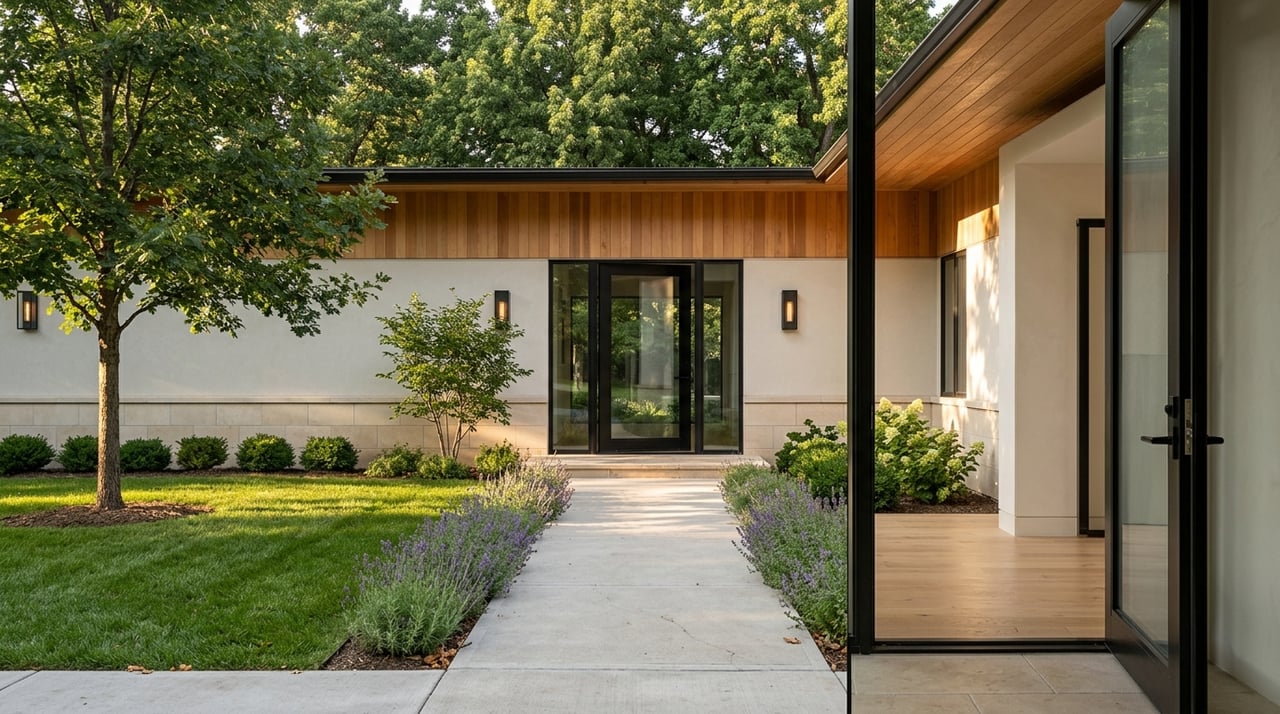
Trying to choose between Belcaro and Country Club? If you are drawn to close-in Denver living but want the right mix of architecture, lot size, walkability, and neighborhood character, this comparison can help you narrow the field. Both enclaves offer a polished residential feel and strong access to central Denver, but they create very different day-to-day experiences. Here is how Belcaro and Country Club compare so you can decide which one fits the way you want to live.
Belcaro vs. Country Club at a glance
If you zoom out, the biggest difference is simple: Country Club feels more formally historic, while Belcaro feels more mid-century and quietly residential. Both neighborhoods are known for larger homes and bigger lots than many other central Denver areas, but the housing stock, streetscape, and governing rules are not the same.
Country Club was developed in conjunction with the Denver Country Club and is recognized as a Denver Landmark District with a period of significance from 1902 to 1945, according to the Country Club Historic Neighborhood and the city’s historic district materials referenced there. Belcaro, especially the Belcaro Park area, took shape later, with development beginning in the 1940s, expanding in the 1950s, and growing again in the 1980s around the Phipps Mansion and Tennis House.
For buyers, that usually means Country Club appeals to those who want early 20th-century architecture and preservation character, while Belcaro often fits those who prefer ranch homes, mid-century style, and a more varied residential mix.
Country Club’s historic identity
Country Club is one of Denver’s best-known historic residential districts. The neighborhood is roughly bounded by Downing, University, 1st Avenue, and 4th/6th Avenues, and its identity is closely tied to the Denver Country Club and Cherry Creek, according to the Country Club Historic Neighborhood association.
The architectural character here is consistent and recognizable. 5280’s Country Club neighborhood guide describes streets lined with pre-1940s homes, including Denver Squares and Mediterranean-style mansions on large lots shaded by mature trees. The area’s design guidelines also note large houses on large lots, broad setbacks, and open front yards, which help create its spacious, formal feel.
Some blocks also have curving streets and no sidewalks, which can shape how the neighborhood feels when you move through it on foot. That adds to the distinct sense of place, but it is worth noticing if your daily routine includes frequent walks.
Belcaro’s mid-century character
Belcaro offers a different kind of appeal. Rather than reading as one formal historic district, it feels more layered, with a residential setting shaped by post-war growth, larger lots, and a strong ranch-home presence.
The Belcaro Park HOA describes its core area as park-like, with expansive front yards, generous setbacks, and a majority of single-story ranch houses. 5280’s Belcaro neighborhood guide also points to big homes, newer custom builds, and luxe ranch-style homes on larger-than-average lots.
That mix can be especially appealing if you want more of a mid-century or ranch-forward streetscape. Belcaro Park is often the clearest example of that identity, with tree-lined streets and homes that reflect post-war and California Contemporary influences.
Homes and lot sizes compared
Both neighborhoods are known for larger homesites, but they express that space differently.
Country Club’s larger-lot feel is tied to its historic planning pattern. The neighborhood’s form includes broad front and side setbacks, open front yards, and substantial houses, according to the Country Club design guidelines. If you are looking for a classic estate-like setting with historic architecture, Country Club stands out.
Belcaro also offers generous lots, but the visual effect is often different. In Belcaro, larger lots are more commonly associated with ranch-era development, custom homes, and a more mixed architectural backdrop. If you prefer horizontal floor plans, one-story living, or a less formal architectural rhythm, Belcaro may feel more natural.
Preservation and remodeling rules
If you are thinking about renovations, the difference in oversight matters.
In Country Club, properties within the landmark district are subject to Denver Landmark Preservation review for exterior changes that require permits. That can be a benefit if you value long-term neighborhood character and architectural continuity, but it can also affect your planning process.
In Belcaro Park, the neighborhood is governed through an architectural HOA with covenants and architectural procedures, according to the Belcaro Park HOA. In other words, both areas can appeal to buyers who appreciate neighborhood standards, but the structure behind those standards is different.
Walkability and getting around
For buyers who want to run errands on foot, Country Club has the edge on paper. Walk Score rates Country Club at 79 for walkability, with a transit score of 43 and a bike score of 96.
Belcaro scores 67 for walkability, 39 for transit, and 86 for biking. That still makes it a strong close-in option, especially if you bike often, but it is generally less walkable than Country Club.
In practical terms, both neighborhoods offer good central access. The key difference is that Country Club tends to support more on-foot daily convenience, while Belcaro often feels more residential and destination-oriented.
Access to Cherry Creek and central Denver
Location is a major strength for both neighborhoods, but the pattern of nearby amenities feels a little different.
Belcaro sits between Washington Park and Cherry Creek, and 5280 notes that the Cherry Creek Trail runs along its northern border. The same guide says Belcaro has limited commerce within the neighborhood itself, but Bonnie Brae largely falls within its borders and many shops and restaurants are nearby. For many buyers, that means easy access to central retail and dining without living in a more commercial environment.
Country Club also offers strong proximity to key Denver destinations. According to 5280’s Country Club guide, the neighborhood has easy access to downtown, Cherry Creek, and Cheesman Park, along with some commercial offerings along East Sixth Avenue. The amenity story here feels more classic and residential, with the Denver Country Club and its golf-course setting reinforcing that identity.
Price point differences
Budget is often one of the clearest deciding factors.
According to the 2025 neighborhood rankings cited in the research, Country Club posted a 2024 average sale price of $2,688,078, while Belcaro came in at $1,907,908. That does not mean one neighborhood is universally a better value than the other, but it does show that Country Club currently sits in a higher price band.
If you are weighing architecture, lot size, and location against budget, that pricing gap can be useful. It may also help frame what kind of home, lot, and design details you can prioritize in each neighborhood.
Which neighborhood fits your goals?
The better choice depends on what matters most in your search.
Choose Country Club if you want
- A formally historic neighborhood setting
- Pre-1940s homes and classic architectural character
- Stronger walkability
- Preservation-oriented neighborhood standards
- A higher-end price band with landmark district appeal
Choose Belcaro if you want
- Ranch homes or a more mid-century feel
- Larger-than-average lots with a quieter residential atmosphere
- Strong bike access
- Close proximity to Cherry Creek and Washington Park
- A more varied mix of housing styles and eras
Final thoughts on Belcaro vs. Country Club
Belcaro and Country Club are both compelling options for buyers who want an established, close-in Denver neighborhood with space, character, and central access. The real difference is not whether one is good and the other is not. It is whether you want historic formality and preservation character or mid-century comfort and a more relaxed residential feel.
If you want help comparing homes, lot patterns, and block-by-block character in these neighborhoods, Downing Street Group can help you evaluate the options with clear local insight and a tailored strategy.
FAQs
What is the main difference between Belcaro and Country Club in Denver?
- Country Club is more formally historic, with landmark district status and mostly pre-1940s homes, while Belcaro is more mid-century in character with a stronger ranch-home presence.
Which Denver neighborhood is more walkable, Belcaro or Country Club?
- Country Club is more walkable, with a Walk Score of 79 compared with Belcaro’s 67.
Which neighborhood has more historic homes, Belcaro or Country Club?
- Country Club has the more historic housing stock, with a recognized period of significance from 1902 to 1945 and many pre-1940s homes.
Which Denver neighborhood is better for ranch homes, Belcaro or Country Club?
- Belcaro is generally the better fit if you want ranch homes or a mid-century architectural feel, especially in the Belcaro Park area.
Is Country Club more expensive than Belcaro in Denver?
- Yes. Based on the research provided, Country Club had a higher 2024 average sale price than Belcaro, at $2,688,078 compared with $1,907,908.
Which neighborhood is closer to Cherry Creek amenities, Belcaro or Country Club?
- Both are close, but Belcaro’s appeal is more directly tied to proximity to Cherry Creek and the Cherry Creek Trail, while Country Club’s access story includes Cherry Creek, downtown, and Cheesman Park.
